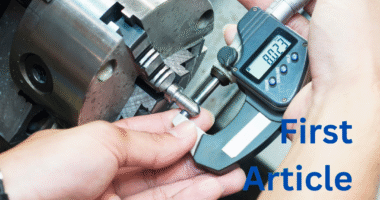
Supplier and process readiness are two essential pillars of a successful First Article Inspection (FAI). Before a manufacturer produces the first unit of a part, both the supplier and the process must be fully prepared to meet all technical, quality, and operational requirements. Without readiness, the risk of delays, rework, and non-conformities increases significantly.
This article explains what supplier readiness and process readiness are, why they matter, and how to ensure both are in place before FAI.
Understanding Supplier Readiness in FAI
Supplier readiness refers to a supplier’s capability and preparedness to produce parts that meet customer specifications. It ensures the supplier has the resources, skills, and controls needed to deliver high-quality products consistently.
Key Elements of Supplier Readiness
A supplier is considered ready for FAI when the following criteria are met:
1. Technical Capability Assessment
The supplier must understand drawings, specifications, tolerances, and regulatory requirements (e.g., AS9102 for aerospace). This avoids misinterpretation that often leads to FAI failures.
2. Availability of Qualified Equipment
Machines, measuring instruments, and tools must be capable of achieving the required precision. Calibration status and validation of equipment are essential.
3. Skilled Workforce
Operators, inspectors, and engineers must be trained for the specific product and processes. Competence gaps often lead to mistakes in measurement or production.
4. Material and Supplier Chain Readiness
Raw materials, certifications, and sub-suppliers must be verified before production begins. Any missing documentation can delay the entire FAI process.
5. Quality System Maturity
A supplier with strong internal audits, process controls, and documentation practices is far more likely to pass FAI on the first attempt.
Understanding Process Readiness in FAI
Process readiness ensures that the manufacturing process is stable, capable, and well-controlled before producing the first article. Even if a supplier is qualified, the process itself must prove it can meet requirements.
Key Elements of Process Readiness
1. Validated Manufacturing Process
The process flow—from raw material to finished part—must be clearly defined and verified. This includes setup parameters, tooling, fixtures, and inspection points.
2. Process Capability and Stability
Before FAI, the process should show consistent performance within tolerance. Capability studies (Cp, Cpk) may be required depending on the industry.
3. Complete Documentation Prepared
This includes:
-
Control plans
-
Process FMEA
-
Work instructions
-
Measurement methods
-
Material certificates
Proper documentation prevents discrepancies during inspection.
4. Measurement System Readiness
Measurement System Analysis (MSA) ensures gauges and instruments can accurately measure critical characteristics. Poor measurement capability is a common cause of FAI rejection.
5. Trial Run or Pre-Production Check
A dry run helps validate process stability and detect issues early before the actual FAI part is produced.
Why Supplier and Process Readiness Matter in FAI
When both supplier and process readiness are achieved:
-
FAI passes on the first submission
-
Production delays are minimized
-
Rework and scrap costs drop
-
Customer trust increases
-
Long-term supplier performance improves
Investing time in readiness upfront saves far more time later in the production cycle.