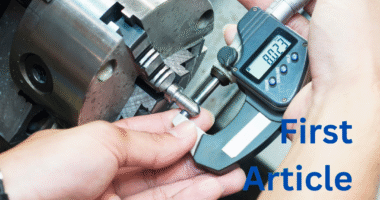

Quality issues can significantly impact business profitability, particularly for small and medium-sized enterprises (SMEs). From rework and scrap to lost customer trust, quality-related expenses—often referred to as the Cost of Poor Quality (COPQ)—can escalate quickly. The good news is that with the right strategies, these costs can be reduced while simultaneously improving customer satisfaction and operational efficiency. Here are some effective strategies to cut quality-related expenses.
Understanding Quality-Related Expenses
Quality-related expenses typically fall into four categories: prevention, appraisal, internal failure, and external failure costs. Businesses often overspend in the internal and external failure categories due to product defects, returns, rework, and warranty claims. Shifting focus to prevention and appraisal helps minimize these losses in the long run.
Key Strategies to Reduce Quality-Related Costs
1. Invest in Training and Employee Competence
Human error is among the most common causes of quality issues. By equipping employees with the right skills through proper training, businesses can significantly reduce mistakes and improve production accuracy. Training should cover quality standards, inspection methods, and problem-solving techniques like root cause analysis.
2. Implement Process Standardization
Standardizing processes ensures consistency, minimizes variability, and reduces defects. Use tools like Standard Operating Procedures (SOPs), checklists, and work instructions to maintain uniform quality. Encourage workers to follow a “right the first time” mindset.
3. Strengthen Supplier Quality Management
Often, poor-quality materials from suppliers lead to defects during production. Set clear expectations, perform incoming inspections, and collaborate with suppliers to ensure compliance. Building long-term partnerships with reliable suppliers can reduce rework and return costs.
4. Adopt Preventive Quality Approaches
Proactive quality management prevents costly errors before they occur. Techniques like Failure Modes and Effects Analysis (FMEA), Six Sigma, and DMAIC (Define, Measure, Analyze, Improve, Control) help identify risks early. Additionally, preventive maintenance ensures equipment reliability, reducing unplanned breakdowns and quality deviations.
5. Use Automation and Technology
Automation reduces manual errors and improves precision. Technologies such as real-time monitoring, quality management software (QMS), and automated inspection tools help detect issues faster and enhance overall efficiency. Although initial investment is required, long-term savings are substantial.
6. Track and Analyze Quality Data
Collecting and analyzing data helps identify patterns and root causes of defects. Use key performance indicators (KPIs) like defect rate, rework percentage, and cost of non-conformance. This allows continuous improvement and smarter decision-making.
Final Thoughts: Quality as an Investment, Not an Expense
Reducing quality-related expenses doesn’t mean cutting quality efforts—it means investing smarter. By prioritizing prevention, enhancing employee competence, and leveraging technology, businesses can improve product reliability, increase customer satisfaction, and boost profitability. When quality becomes a strategic priority, cost reduction follows naturally.